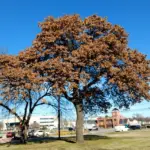
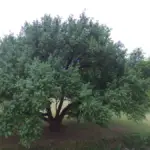
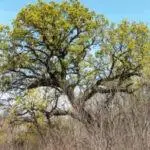
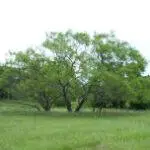
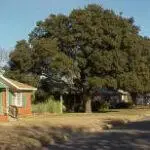
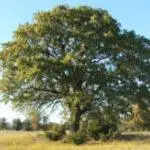
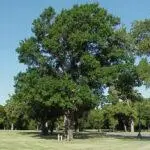
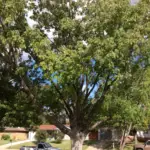
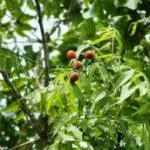
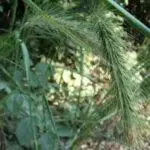
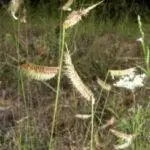
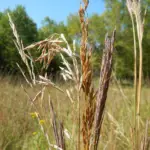
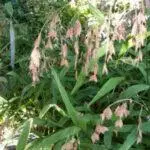
The Cross Timbers and Blackland Prairie ecosystems of North Texas have played an important role in this region’s natural heritage. Prairies and grasslands have historical significance in North Texas. The D/FW area straddles both ecosystems: Blackland Prairie and the Cross Timbers (both considered a component of the Tallgrass Prairie). Native Americans survived off the natural resources provided by these ecosystems. As settlers traveled into the area from the east, they passed through the lush, green Blackland Prairies, which were covered with wildflowers, native tall grasses, and dotted with trees along rivers. The Cross Timbers area featured two distinct belts of densely wooded Post Oak/Blackjack Oak forests. The Cross Timbers was, and still is, the transition zone between deciduous forests of the east and the grasslands of the Great Plains. Early accounts by settlers of this region spoke of beauty and harshness altogether. The D/FW metroplex was established amidst these ecosystems. It is important that we not lose touch with our natural heritage. Today, less than 1% of the original Tallgrass Prairie remains intact.
With water conservation in our urban areas becoming increasingly more important, native plants in our landscapes can help us save our precious water. Native plants grow naturally in our soils, climate & unpredictable weather. They are drought-tolerant and need little attention. Some of these native plants may not be available in most local nurseries; however, you might try calling nurseries that specialize in native plants. You always have the option of propagating these plants from seed or vegetatively. If nothing else, knowing some native plants will help you appreciate their role in our environment and urban settings.
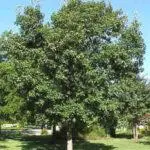
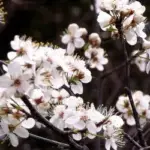
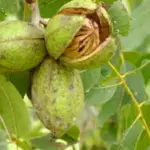
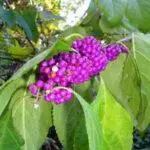
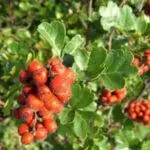
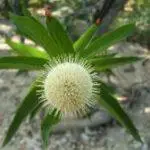
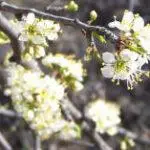
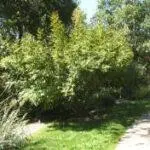
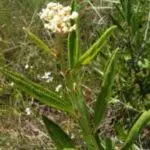
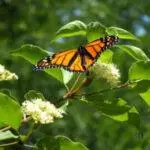
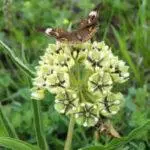
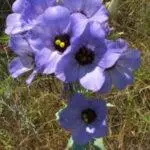
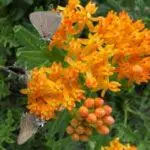
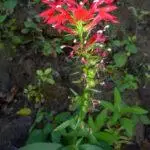
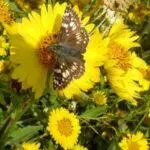
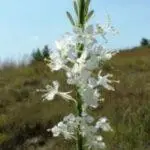
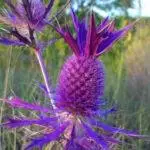
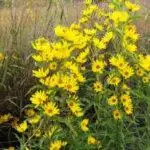
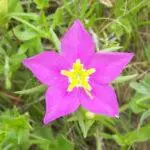
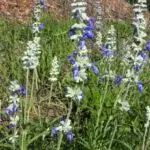
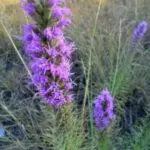
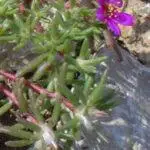
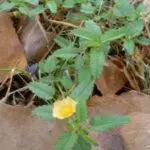
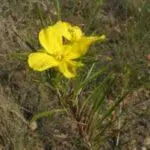
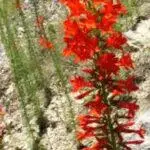
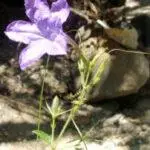
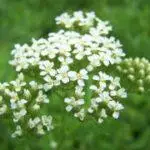
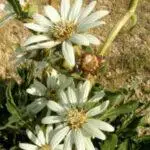
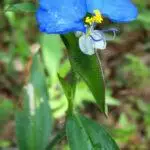
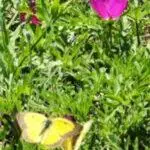
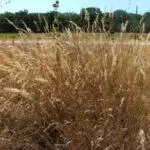
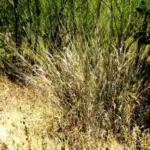
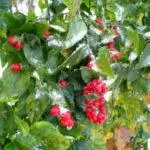
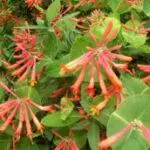
We have collected pictures and information on some of the plants found in these vanishing ecosystems. This is not an exhaustive display of plants; it is merely a dent in the diversity that exists in our region. These plants can be found locally in lawns, parks, development sites, and natural areas.
Click the down arrow to learn about each type of species.